Canada travel guide
 Canada travel guide
By the Tralover editorial team · Checked · How we research

Canada spans vast wilderness, dramatic Rockies, coastal fjords, and vibrant multicultural cities like Toronto, Montreal, and Vancouver. First-timers enjoy easy access to national parks, wildlife viewing, hiking, urban culture, and festivals. English/French bilingual with excellent infrastructure, it suits nature lovers and city explorers seeking safe, organized travel with strong public services. Distances are huge, so most first trips focus on one or two regions: Ontario and Quebec for cities, waterfalls and French-Canadian culture, or British Columbia and Alberta for the Rockies, glacier lakes and the Pacific coast. Summer is short and busy; autumn colours and winter sports are strong reasons to go out of season.
- Days needed
- 7–14 days
- Daily budget
- $80 – $180
- Currency
- Canadian Dollar (CAD) · 1 USD ≈ 1.42 CAD
- Language
- English and French (official); English dominant outside Quebec
- Plugs
- Type A, B · 120V
- Emergency
- 911
When to go to Canada
June to early September for peak access across most regions with warm weather, open trails, and long days; shoulder seasons (late May/early June or September/October) offer fewer crowds, lower prices, and fall colors in the east or larches in the Rockies. Avoid deep winter (November-March) outside ski resorts or northern lights spots like Yukon due to extreme cold and limited services; Atlantic provinces and BC coast have milder winters but rain.
Where the weather is best in Canada, month by month:
Where to go in Canada
Do I need a visa?
Find your passport in the list. For a tourist trip.
| Your passport | What you need | Cost |
|---|---|---|
| United States | Visa-free · 180 days | Free, no eTA required for citizens |
| United Kingdom | Online authorisation (ETA) | eTA CAD$7 (~USD5) |
| EU (e.g. Germany) | Online authorisation (ETA) | eTA CAD$7 (~USD5) |
| India | Visa required | Visitor visa (CAD$100+) or eTA if eligible with prior Canadian/US visa |
| Australia | Online authorisation (ETA) | eTA CAD$7 (~USD5) |
| Canada | Citizens | N/A |
| China | Visa required | Visitor visa (CAD$100+ plus biometrics) |
| UAE | Online authorisation (ETA) | eTA CAD$7 (~USD5) |
Apply for eTA online via official Canada.ca before booking flights for visa-exempt nationalities; valid 5 years or until passport expiry. Carry valid passport (at least 6 months recommended beyond stay), proof of onward travel, and sufficient funds; no ETIAS needed.
Checked 23 Nov 2026. Entry rules and fees change; confirm with the official site or your airline before booking.
Getting there
Main international gateways are Toronto Pearson (YYZ), Vancouver (YVR), Montréal-Trudeau (YUL), and Calgary (YYC) with direct flights from Europe, Asia, and US; secondary options include Edmonton and Halifax.
Getting around Canada
✈️ Domestic flights
Worth it for long distances like Toronto-Vancouver or to remote areas when time is limited
- Typical cost:
- Typical one-way USD50-200 on major routes
- Airlines:
- Air Canada, WestJet, Porter, Flair
🚆 Trains
VIA Rail reliable on eastern corridor (Toronto-Montreal-Ottawa) and scenic long-haul; book ahead for best fares
- Typical cost:
- Toronto-Montreal one-way ~USD40-80 economy
- Pass:
- Canrailpass or seasonal Canada Strong Pass (discounts vary by year)
🚗 Driving & buses
Drive on the right; good highways but winter conditions challenging; some tolls on 407 and bridges
- Car hire:
- USD30-80/day for compact/mid-size
- Fuel:
- USD1.20-1.70 per litre for regular gasoline
- Licence:
- International Driving Permit recommended for non-English speakers alongside national license
⛴️ Ferries & boats
Ferries key for BC (Vancouver Island) and Atlantic provinces
- Typical cost:
- Vancouver-Victoria ~USD15-25 one-way passenger
🚇 Local transport
Extensive metro/bus/tram in major cities; buy reloadable cards
- Typical cost:
- Single ride USD2.50-3.50
🚕 Taxis & ride-hailing
Metered taxis available; ride-hailing reliable in cities, confirm app or meter to avoid issues
- Typical cost:
- Typical 5 km ride USD10-15
- Apps:
- Uber, Lyft
Traffic drives on the right.
Phone, SIM cards and data
- Best-value tourist SIM
- chatr or Lucky Mobile prepaid: ~CAD25 (~USD18) for 4-5 GB/month with calls/texts
- eSIM
- Widely available and often cheapest for data-only via Airalo, Nomad, or Jetpac before arrival
- Wi-Fi
- Free public Wi-Fi common in cities, airports, cafes, and many hotels
- Calls & apps
- WhatsApp widely used; local number useful for bookings or two-factor authentication
Main networks: Rogers, Bell, Telus (flankers: chatr, Lucky Mobile, Public Mobile).
Money and costs
Per person per day, excluding flights: $80 on a budget, $180 mid-range, $350 luxury.
- Cards
- Contactless and cards widely accepted everywhere except small vendors or rural areas
- Cash
- Needed for tips, some markets, parking, and rural spots
- ATMs
- CAD3-5 fees common at machines; use bank-affiliated to minimize
- Tipping
- 15-20% at restaurants/bars; 10-15% taxis; CAD1-2 per bag for porters; round up for small services
Language
English and French (official); English dominant outside Quebec. Widely spoken nationwide, near-universal in cities and tourist areas
| English | Local | Say it |
|---|---|---|
| Hello | Hello / Bonjour | Hello or Bonjour (bohn-zhoor) |
| Thank you | Thank you / Merci | Thank you or Mer-see |
| Please | Please / S'il vous plaît | Please or See voo play |
| Excuse me / sorry | Excuse me / Désolé | Excuse me or Day-zoh-lay |
| How much is it? | How much is it? / Combien ça coûte? | How much or Kohn-byen sah coot |
| Where is the toilet? | Where is the toilet? / Où sont les toilettes? | Where is the toilet or Oo sohn lay twah-let |
What to wear and local etiquette
Casual and practical; comfortable layers preferred over formal wear
Religious sites: Modest dress (cover shoulders/knees) at churches or temples
Through the seasons: Light layers and sunscreen in summer; waterproof jacket and sturdy boots year-round especially west coast; heavy insulated layers, hat, gloves for winter
- Queue politely and wait your turn
- Be punctual for appointments and tours
- Remove shoes when entering homes if requested
- Tip appropriately as service norms
- Keep voices moderate in public; respect quiet in nature
Packing list for Canada
- ✓Valid passport and eTA confirmation — entry requirement
- ✓Layered clothing and rain jacket — variable weather
- ✓Comfortable walking shoes — extensive sightseeing
- ✓Universal power adapter (Type A/B) — standard outlets
- ✓Reusable water bottle — safe tap water everywhere
- ✓Binoculars or camera — wildlife and landscapes
- ✓Medications and basic first aid — remote areas
- ✓Portable charger and offline maps — spotty signal in parks
- ✓Plug adapter for type A, B sockets (120V)
Health and safety
- Drinking water
- Tap water safe to drink nationwide
- Health
- Routine vaccines up to date; no special requirements for most visitors
- Common scams
- Low risk; watch for overcharging taxis at airports or fake charity solicitors in cities
- Emergency numbers
- 911 for police, fire, ambulance
How many days do you need in Canada?
Allow at least 7 days to see the highlights; 14 days is ideal. 7 days covers one major region or corridor highlights without rush; 14 allows combining east/west or adding scenic rail/drives.
7 days: Eastern Highlights
- Day 1-3Toronto & Niagara — Explore CN Tower, Distillery District, and day trip to Niagara Falls with boat tour.
- Day 4-5Ottawa — Visit Parliament Hill, Rideau Canal, and national museums.
- Day 6-7Montreal — Old Montreal, Mount Royal, and bagel/food scene.
14 days: Cross-Country Sampler
- Day 1-4Vancouver & Whistler — Stanley Park, Capilano, and scenic drive or train to mountain resort.
- Day 5-9Canadian Rockies (Banff/Jasper) — Lake Louise, hikes, wildlife spotting, and Icefields Parkway drive.
- Day 10-14Toronto to Quebec City corridor — Niagara, Toronto sights, Ottawa, Montreal, and Quebec City Old Town.
Want a day-by-day plan for your dates? Open any destination above and use “Plan my trip”.
Hidden gems in Canada
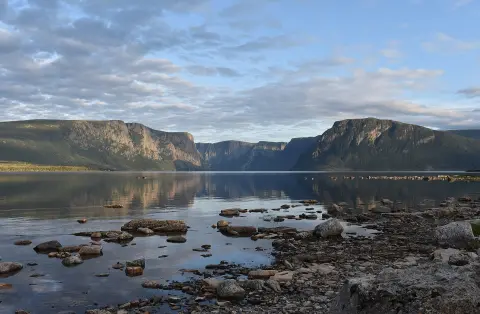
Gros Morne National Park
Newfoundland
Dramatic fjords and Tablelands hiking with far fewer crowds than Banff.
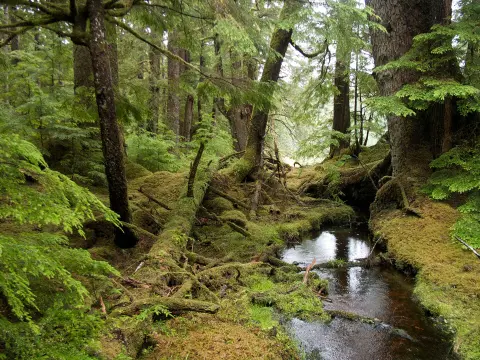
Haida Gwaii
British Columbia
Remote islands with ancient Haida culture and pristine beaches, accessible by ferry.
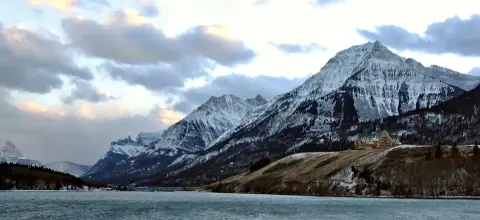
Waterton Lakes National Park
Alberta
Less-visited alternative to Banff with stunning lakes and wildlife.

Charlevoix
Quebec
Scenic region with whale watching and arts scene, quieter than major cities.

Cabot Trail
Nova Scotia
Coastal drive with cliffs and Celtic culture, peak foliage in fall with moderate visitors.
Yukon hot springs & aurora
Yukon
Natural hot springs and reliable northern lights viewing away from southern crowds.
Canada: quick answers
- How many days do you need in Canada?
- At least 7 days to see the main highlights; 14 days is ideal. 7 days covers one major region or corridor highlights without rush; 14 allows combining east/west or adding scenic rail/drives.
- Do I need a visa for Canada?
- United States: Free, no eTA required for citizens; United Kingdom: eTA CAD$7 (~USD5); EU (e.g. Germany): eTA CAD$7 (~USD5); India: Visitor visa (CAD$100+) or eTA if eligible with prior Canadian/US visa; Australia: eTA CAD$7 (~USD5). Apply for eTA online via official Canada.ca before booking flights for visa-exempt nationalities; valid 5 years or until passport expiry. Carry valid passport (at least 6 months recommended beyond stay), proof of onward travel, and sufficient funds; no ETIAS needed. Always confirm on the official government site before booking.
- How much does a trip to Canada cost per day?
- Roughly US$80 per person per day on a budget, US$180 mid-range and US$350 for luxury, excluding flights.
- What is the best SIM card or eSIM for Canada?
- chatr or Lucky Mobile prepaid: ~CAD25 (~USD18) for 4-5 GB/month with calls/texts
- Is the tap water safe to drink in Canada?
- Tap water safe to drink nationwide
- What should I wear in Canada?
- Casual and practical; comfortable layers preferred over formal wear. Modest dress (cover shoulders/knees) at churches or temples.
- What is the best way to get around Canada?
- VIA Rail reliable on eastern corridor (Toronto-Montreal-Ottawa) and scenic long-haul; book ahead for best fares. Worth it for long distances like Toronto-Vancouver or to remote areas when time is limited.
More country guides
Researched November 2026 from 7 sources including www.canada.ca, www.viarail.ca, www.budgetyourtrip.com. Prices change; spotted something out of date? Tell us.