Ireland travel guide
 Ireland travel guide
By the Tralover editorial team · Checked · How we research
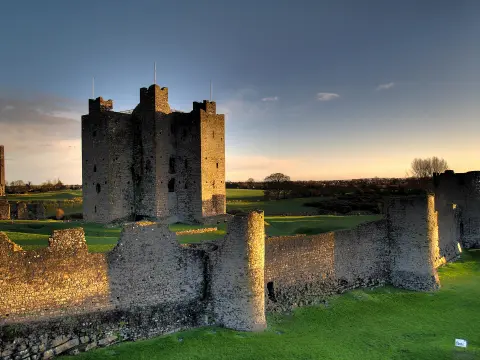
Ireland is a compact, green island nation with dramatic Atlantic coasts, ancient castles, vibrant pub culture and friendly locals. First-timers love the mix of easy city breaks in Dublin, scenic drives along the Wild Atlantic Way and historic sites like the Cliffs of Moher or Ring of Kerry. English-speaking with excellent infrastructure, it suits short trips focused on nature, history and food without language barriers.
- Days needed
- 7–14 days
- Daily budget
- $90 – $180
- Currency
- Euro (EUR) · 1 USD ≈ 0.91 EUR
- Language
- English and Irish (Gaeilge)
- Plugs
- Type G · 230V
- Emergency
- 112 or 999
When to go to Ireland
May–June and September offer mild weather (15–18°C), long daylight and fewer crowds than July–August peak (warmest but busiest, rain possible year-round). West coast wettest; east drier. Shoulder months April–May and September–October ideal for driving and outdoor sights. Avoid December–February for short days (7–8 hours light) and frequent rain; November still workable for cities but wetter on coasts.
Where the weather is best in Ireland, month by month:
Where to go in Ireland
Do I need a visa?
Find your passport in the list. For a tourist trip.
| Your passport | What you need | Cost |
|---|---|---|
| United States | Visa-free · 90 days | Visa-free, up to 90 days |
| United Kingdom | Visa-free | Visa-free (Common Travel Area) |
| EU (e.g. Germany) | Visa-free | Free movement (German passport/ID) |
| India | Visa required | Visa required or Short-Stay Visa Waiver (if hold/used eligible UK visa, extended to 31 Dec 2026) |
| Australia | Visa-free · 90 days | Visa-free, up to 90 days |
| Canada | Visa-free · 90 days | Visa-free, up to 90 days |
| China | Visa required | Visa required or Short-Stay Visa Waiver (if hold/used eligible UK visa, extended to 31 Dec 2026) |
| UAE | Visa-free · 90 days | Visa-free, up to 90 days |
Passport valid for stay duration; onward ticket often checked. Ireland not in Schengen; no ETIAS required. Confirm waiver rules for IN/CN travellers via official immigration sites.
Checked 23 Nov 2026. Entry rules and fees change; confirm with the official site or your airline before booking.
Getting there
Main gateways: Dublin Airport (DUB) for most flights, Shannon (SNN) for west coast, Cork (ORK) for south. Ferries from UK/France to Dublin, Rosslare or Holyhead.
Getting around Ireland
✈️ Domestic flights
Limited domestic flights useful for time-saving on long distances like Dublin–Cork or Galway
- Typical cost:
- 50-120 one-way
- Airlines:
- Aer Lingus, Ryanair
🚆 Trains
Irish Rail network reliable but Dublin-centric; book advance online for cheapest fares
- Typical cost:
- Dublin-Galway 15-35 one-way
- Pass:
- Interrail Ireland One Country Pass from €137 for 3 days
🚗 Driving & buses
Drive on left; good motorways but narrow rural roads, many roundabouts; tolls on M50 (€3.80) and some others
- Car hire:
- 35-80 per day economy automatic
- Fuel:
- 2.10-2.40 per litre petrol
- Licence:
- International Driving Permit recommended for non-EU licences
⛴️ Ferries & boats
Ferries from UK and France useful for car travel or alternatives to flying
- Typical cost:
- Dublin-Holyhead from 40 one-way foot passenger
🚇 Local transport
Dublin: Leap Card for bus, Luas tram, DART; daily cap applies. Other cities: local buses
- Typical cost:
- 2.20 single ride Leap
🚕 Taxis & ride-hailing
Metered taxis available; use apps to avoid overcharging at airports/stations
- Typical cost:
- 12-18 for typical 5 km ride
- Apps:
- Free Now, Uber, Bolt
Traffic drives on the left.
Phone, SIM cards and data
- Best-value tourist SIM
- €20 for 28 days unlimited data on Three or Vodafone prepaid (airport or city stores)
- eSIM
- Widely available from providers and travel eSIM apps before arrival
- Wi-Fi
- Free in most cafes, hotels, airports and many public spots
- Calls & apps
- WhatsApp and apps preferred; local number useful for some bookings but not essential
Main networks: Eir, Vodafone, Three.
Money and costs
Per person per day, excluding flights: $90 on a budget, $180 mid-range, $300 luxury.
- Cards
- Contactless widely accepted everywhere including small shops and taxis
- Cash
- Needed for tips, some rural spots or markets
- ATMs
- ATMs common; fees €2-5 plus home bank charges common
- Tipping
- 10-15% in restaurants or round up; not expected in pubs or taxis
Language
English and Irish (Gaeilge). Widely spoken as first language everywhere
| English | Local | Say it |
|---|---|---|
| Hello | Hello / Dia dhuit | Hello / Jee-a gwit |
| Thank you | Go raibh maith agat | Guh rev mah agut |
| Please | Le do thoil | Leh duh hull |
| Excuse me / sorry | Gabh mo leithscéal | Guv muh lesh-gale |
| How much is it? | Cén mhéid atá air? | Kane vade a-taw air |
| Where is the toilet? | Cá bhfuil an leithreas? | Kaw will un leh-rass |
What to wear and local etiquette
Casual and practical; layers essential
Religious sites: Modest dress (cover shoulders/knees) at churches and cathedrals
Through the seasons: Waterproof jacket and layers year-round; light clothing for summer; warm coat, hat, gloves for winter
- Queue politely and wait your turn
- Buy a round of drinks in pubs when joining a group
- Remove shoes if invited into someone's home
- Avoid discussing religion or politics with strangers
- Tip service staff but not in casual pubs
Packing list for Ireland
- ✓Waterproof jacket — rain is frequent year-round
- ✓Comfortable walking shoes — for cities and trails
- ✓Layers (merino or fleece) — changeable weather
- ✓Power bank — for navigation and photos
- ✓Reusable water bottle — tap water safe everywhere
- ✓Adapter (Type G) — for UK/Ireland plugs
- ✓Small daypack — for daily outings
- ✓Light scarf or hat — for wind and churches
- ✓Plug adapter for type G sockets (230V)
Health and safety
- Drinking water
- Tap water safe to drink nationwide
- Health
- Routine vaccines; tick-borne encephalitis risk in rural areas in summer
- Common scams
- Pickpocketing in Dublin crowds; overpriced tourist taxis at airports
- Emergency numbers
- 112 or 999
How many days do you need in Ireland?
Allow at least 7 days to see the highlights; 14 days is ideal. 7 days covers Dublin plus one region without rush; 14 allows full island loop or relaxed Wild Atlantic Way pacing.
7 days: Dublin & West Coast Highlights
- Day 1-3Dublin — Explore Trinity College, Temple Bar, Guinness Storehouse and day trip to Howth or Glendalough.
- Day 4-7Galway & Cliffs of Moher — Drive Wild Atlantic Way to Cliffs, Connemara and Aran Islands ferry.
14 days: Full Island Explorer
- Day 1-4Dublin & East — City sights plus Kilkenny or Wicklow Mountains.
- Day 5-9South & Southwest — Ring of Kerry, Killarney National Park and Cork.
- Day 10-14West & North — Galway, Cliffs, Donegal coast and Belfast day trip.
Want a day-by-day plan for your dates? Open any destination above and use “Plan my trip”.
Hidden gems in Ireland
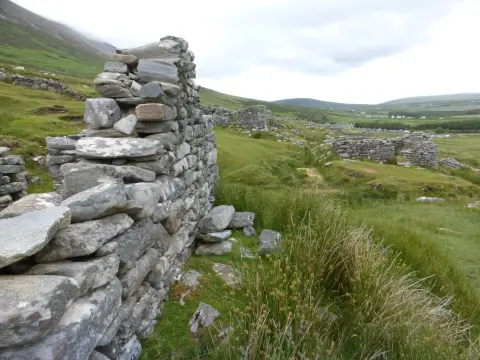
Achill Island
Mayo
Stunning beaches and cliffs with far fewer visitors than Kerry or Galway.

Glengarriff
Cork
Peaceful subtropical gardens and boat trips to Garnish Island away from main tourist routes.
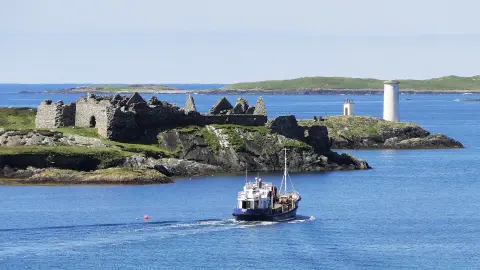
Inishbofin Island
Galway
Quiet island with white beaches and history; easy ferry but rarely crowded.

Burren Way
Clare
Karst landscape walks with unique flora and ancient tombs, less busy than Cliffs.

Slieve League
Donegal
Higher cliffs than Moher with dramatic views and fewer tour buses.

Dingle Peninsula
Kerry
Slea Head drive with ancient sites and wildlife; smaller scale than Ring of Kerry.
Ireland: quick answers
- How many days do you need in Ireland?
- At least 7 days to see the main highlights; 14 days is ideal. 7 days covers Dublin plus one region without rush; 14 allows full island loop or relaxed Wild Atlantic Way pacing.
- Do I need a visa for Ireland?
- United States: Visa-free, up to 90 days; United Kingdom: Visa-free (Common Travel Area); EU (e.g. Germany): Free movement (German passport/ID); India: Visa required or Short-Stay Visa Waiver (if hold/used eligible UK visa, extended to 31 Dec 2026); Australia: Visa-free, up to 90 days. Passport valid for stay duration; onward ticket often checked. Ireland not in Schengen; no ETIAS required. Confirm waiver rules for IN/CN travellers via official immigration sites. Always confirm on the official government site before booking.
- How much does a trip to Ireland cost per day?
- Roughly US$90 per person per day on a budget, US$180 mid-range and US$300 for luxury, excluding flights.
- What is the best SIM card or eSIM for Ireland?
- €20 for 28 days unlimited data on Three or Vodafone prepaid (airport or city stores)
- Is the tap water safe to drink in Ireland?
- Tap water safe to drink nationwide
- What should I wear in Ireland?
- Casual and practical; layers essential. Modest dress (cover shoulders/knees) at churches and cathedrals.
- What is the best way to get around Ireland?
- Irish Rail network reliable but Dublin-centric; book advance online for cheapest fares. Limited domestic flights useful for time-saving on long distances like Dublin–Cork or Galway.
More country guides
Researched November 2026 from 6 sources including www.businesstoday.in, www.travpa.com, megaesim.com. Prices change; spotted something out of date? Tell us.