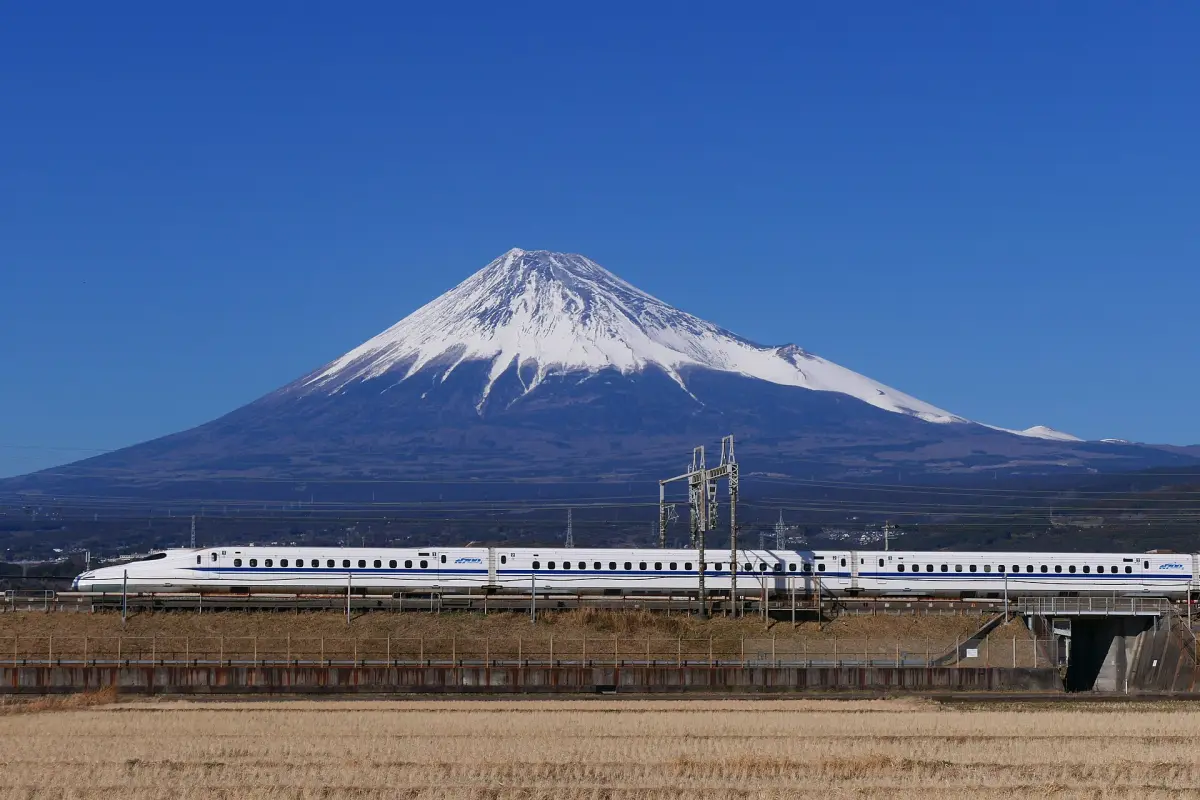
Japan
- May or October?Our month-by-month verdict for five regions
- Tokyo after darkScramble crossings, quiet shrines
- Kyoto at dawnBeat the crowds to 10,000 torii
- 6 hidden gemsWhere the tour buses don’t go
- 03When to goThe year in Japan, month by month
- 04TokyoThe city that never stops crossing the street
- 06KyotoTemples, gardens and the art of getting up early
- 07Osaka & day tripsEat first, sightsee later
- 08North & southHokkaido and Okinawa
- 09Off the beaten trackSix hidden gems, two itineraries
- 10Field notesMoney, trains, manners and words
Japan blends ultra-modern cities with ancient temples, efficient public transport, and distinct seasons. First-timers enjoy safe streets, exceptional food, and efficient travel between highlights like Tokyo, Kyoto, and Osaka. Visa-free entry for many nationalities makes it accessible; English signage helps in tourist areas though Japanese dominates daily life. Expect clean, punctual experiences with a mix of crowds at icons and quiet escapes nearby.
Every month scored out of 100 for weather, rain and crowds, using ten years of climate data.
| J | F | M | A | M | J | J | A | S | O | N | D | |
|---|---|---|---|---|---|---|---|---|---|---|---|---|
| Tokyo | 61 | 64 | 56 | 65 | 71 | 65 | 48 | 48 | 59 | 64 | 66 | 66 |
| Kyoto | 50 | 55 | 54 | 60 | 67 | 59 | 36 | 46 | 61 | 68 | 67 | 56 |
| Osaka | 58 | 61 | 59 | 62 | 68 | 63 | 39 | 45 | 54 | 60 | 76 | 64 |
| Hokkaido (Sapporo) | 40 | 31 | 43 | 80 | 85 | 71 | 55 | 45 | 68 | 75 | 57 | 41 |
| Okinawa | 59 | 56 | 51 | 59 | 54 | 51 | 57 | 50 | 60 | 77 | 78 | 60 |
| Overall | 54 | 53 | 53 | 65 | 69 | 62 | 47 | 47 | 60 | 69 | 69 | 57 |
The seasons, in short. Spring (March-May) brings cherry blossoms but peak crowds and higher prices, especially late March-early April in Tokyo/Kyoto. Autumn (October-November) offers mild weather and colorful foliage, ideal for hiking and temples. Summer (June-August) is hot and humid with rainy season in June; avoid peak typhoon risk August-September. Winter (December-February) is cold but clear in the north, with fewer crowds and onsen appeal; shoulder seasons April-May and October-November balance weather and crowds best.
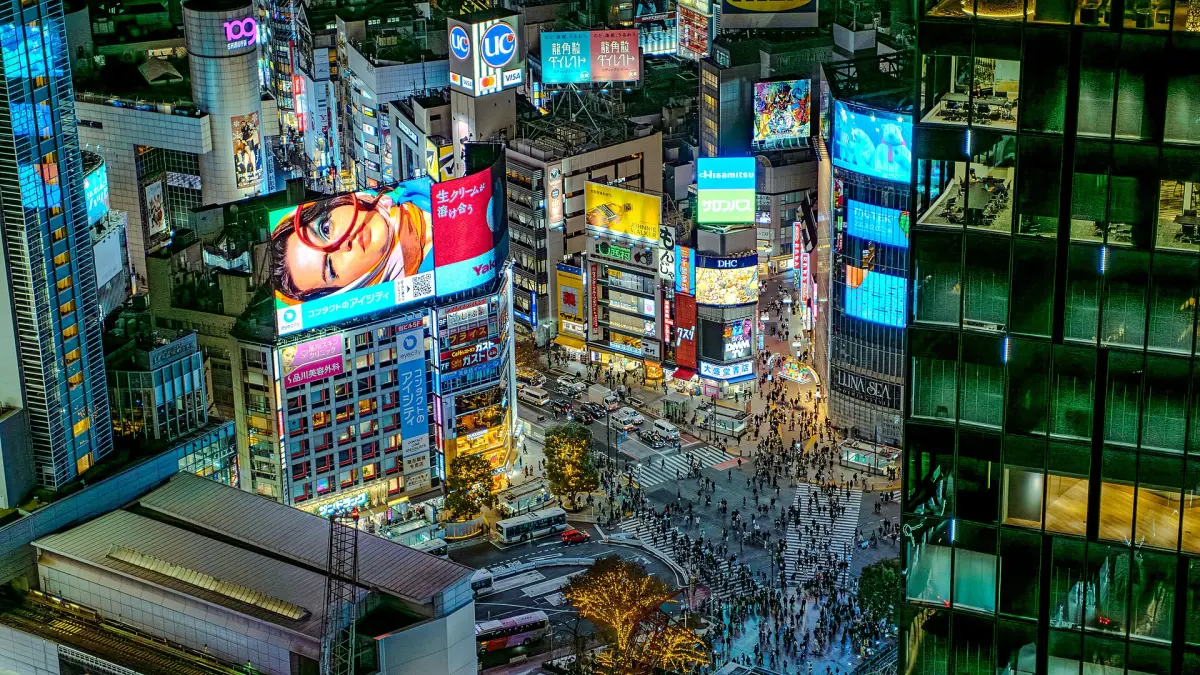
Tokyo is a vast, safe and efficient megacity where neon districts, quiet shrines, world-leading food and pop culture sit side by side. Late March to early April brings cherry blossom, and November brings autumn colour and crisp blue skies. June is the rainy season, and July and August are hot and humid, though summer fireworks and festivals compensate.
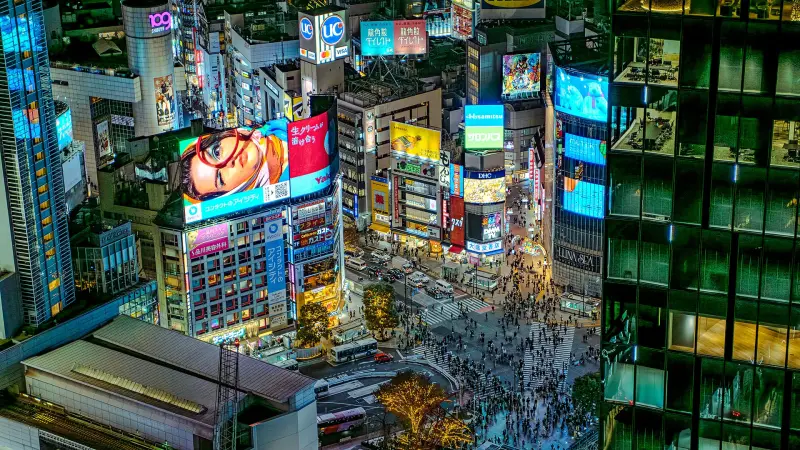 Must-see
Shibuya Crossing
Standing in the middle of it, under the giant screens, is the quickest way to feel the pulse of modern Tokyo.
“Loud, bright and a little dizzying, it is one of the great free shows in the world.”Our audio guide to Shibuya Crossing
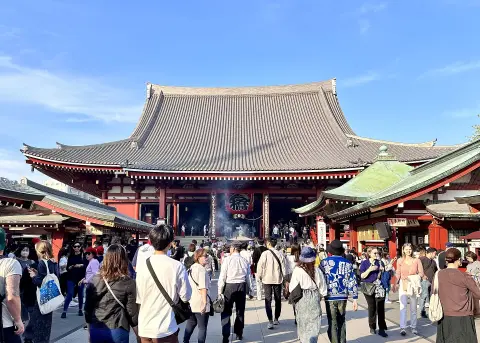 Must-see
Senso-ji Temple
 Must-see
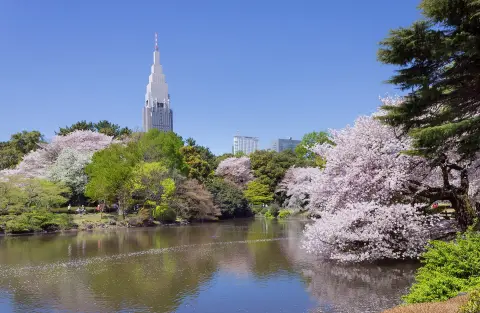
Shinjuku Gyoen National Garden
 Hidden gem
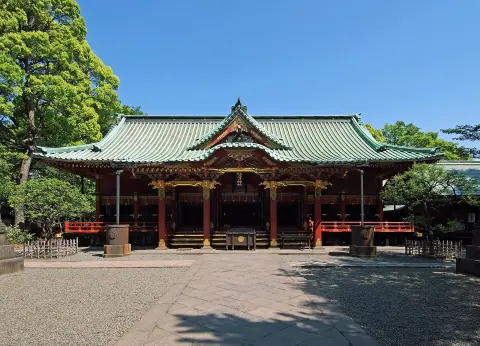
Nezu Shrine
 Feature · Kyoto
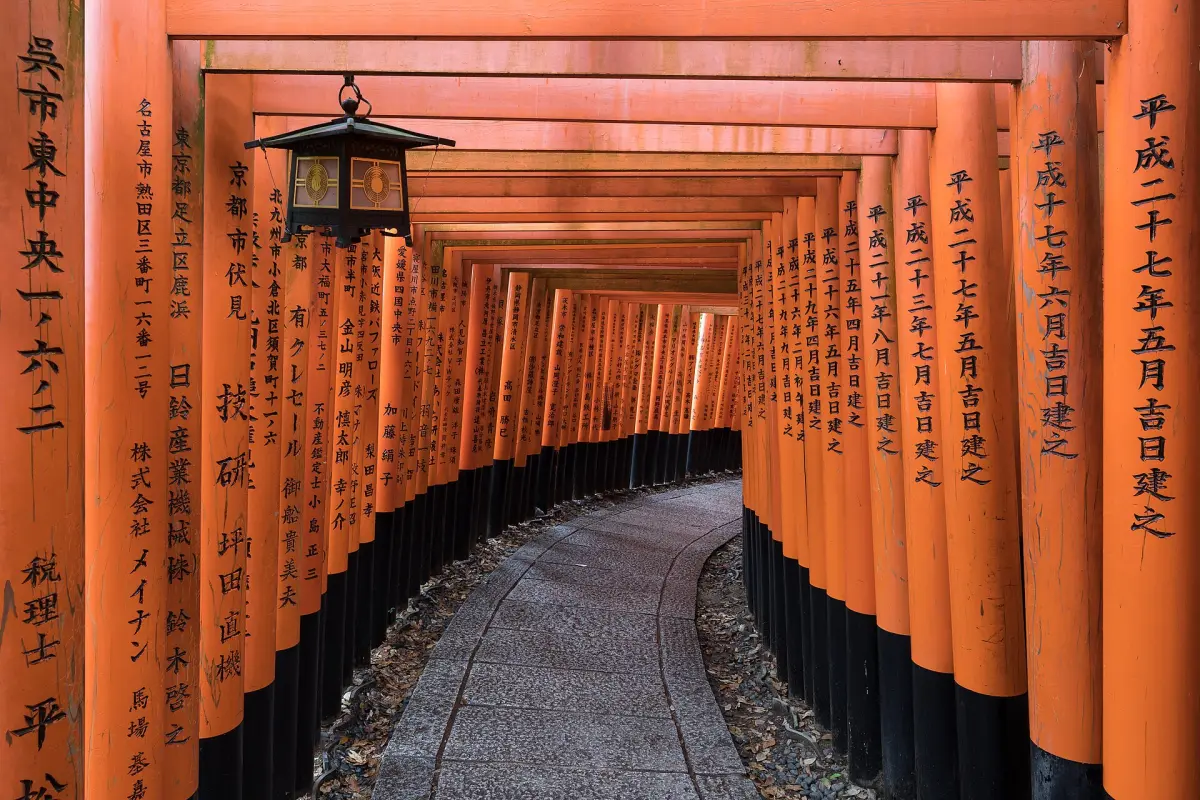
Kyoto, Japan's former imperial capital, holds around 1,600 temples, classic gardens, wooden machiya houses and the geisha district of Gion. Cherry blossom in early April and autumn leaves in late November are spectacular but extremely crowded; start early. January, February and early December are quieter, while summer is hot and festival-packed.
- Torii gates number around 10,000 across the mountain paths; the dense Senbon Torii section contains about 800.
- The shrine and paths remain open 24 hours a day with no entry fee.

Kinkaku-ji

Arashiyama Bamboo Grove

Honen-in
 Feature · Osaka
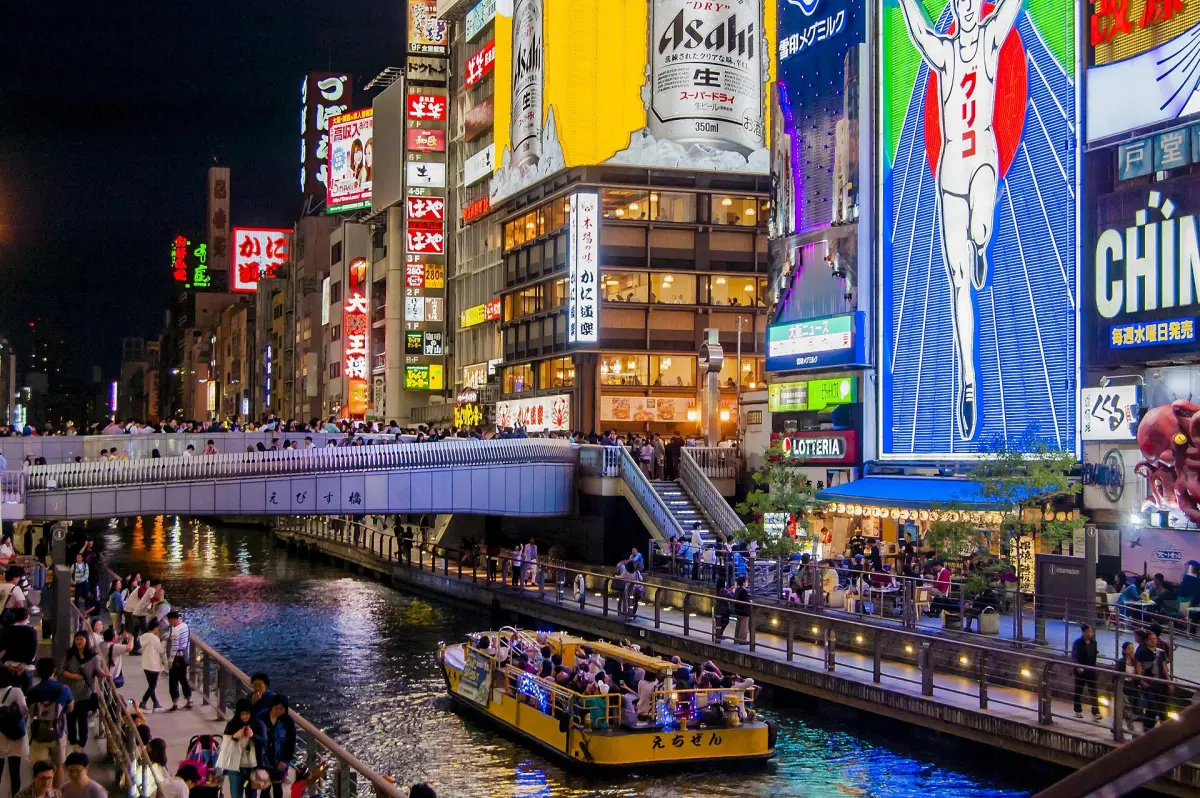
Osaka is Japan's friendly, food-obsessed second city, famous for street eating in Dotonbori, lively nightlife and Universal Studios Japan. It is an easy base for Kyoto, Nara and Kobe. Spring blossom around Osaka Castle and the crisp autumn are best; summers are hot, peaking with the Tenjin Matsuri river festival.
-
 Must-see
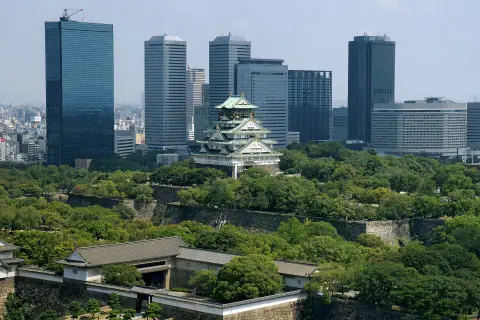
Osaka Castle
Osaka Castle is a reconstructed castle keep on massive original stone walls, set in a large moated park in central Osaka.
-
 Day trip · 40 km
Nara Park
Nara Park is a large park in the old capital of Nara, home to over a thousand free-roaming deer and the great temples of Todaiji and Kofukuji.
-
 Day trip · 95 km
Himeji Castle
Himeji Castle is Japan's largest surviving original castle, a white hilltop fortress and UNESCO World Heritage Site.
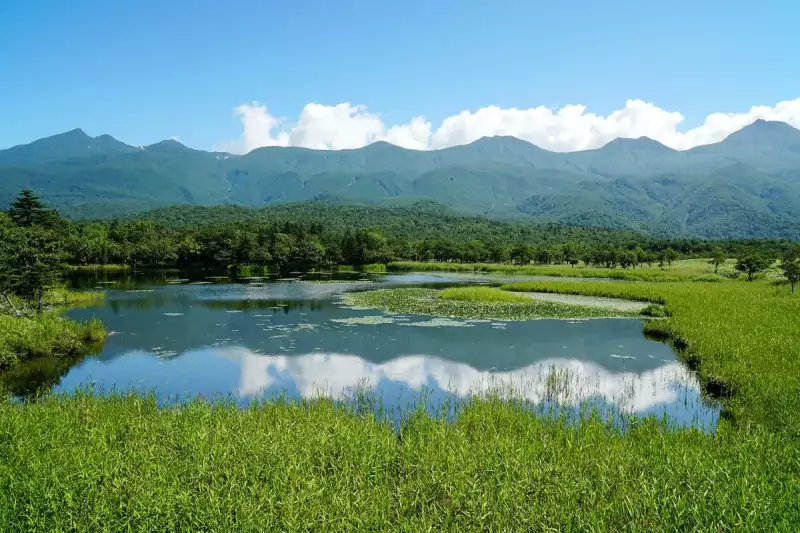
Hokkaido, Japan's northern island, is a four-season outdoor playground. Winter brings legendary powder snow at Niseko and the Sapporo Snow Festival; July turns Furano's fields purple with lavender; and autumn colour arrives earlier than anywhere else in Japan.
- Odori Park — A green ribbon through the city, turned to snow each February
- Moerenuma Park — A sculptor's last dream, shaped from an old rubbish ground
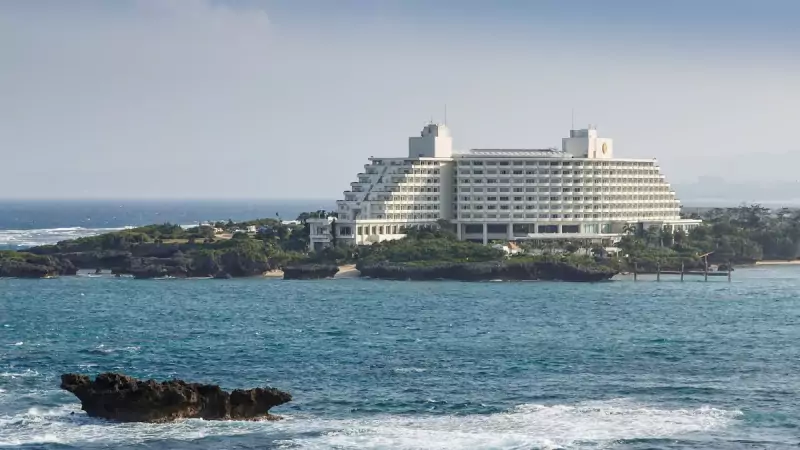
Okinawa is Japan's subtropical island chain, with coral reefs, white beaches, a distinct Ryukyu culture and a famously long-lived population. April to June and September to October are the sweet spots; late May to June is rainy and July to October can bring typhoons.
- Shuri Castle — A red palace on the hill, rising once more
- Okinawa Churaumi Aquarium — Whale sharks gliding through a wall of blue
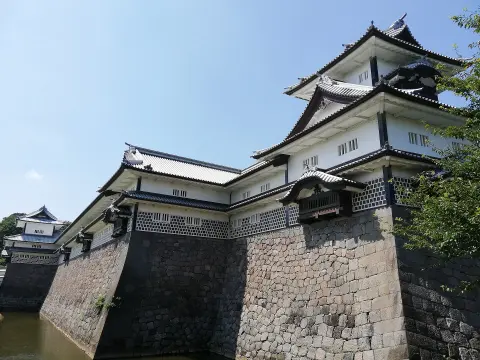
Kanazawa
Preserved samurai district and Kenrokuen garden with far fewer crowds than Kyoto
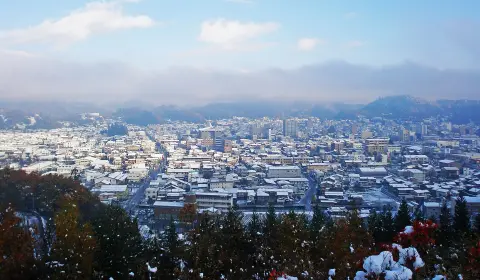
Takayama
Charming old town and morning markets in the Japanese Alps, authentic and uncrowded
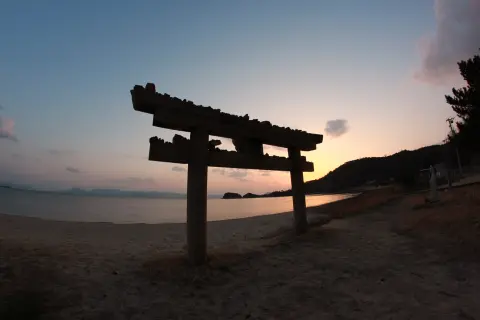
Naoshima
Art islands with outdoor installations and fewer day-trippers than mainland spots
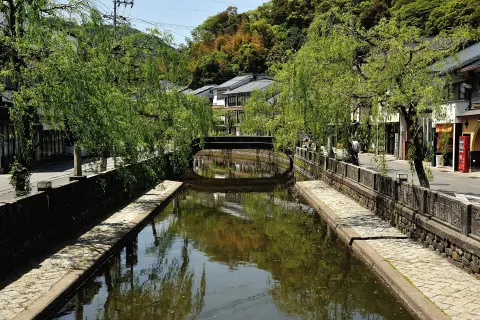
Kinosaki Onsen
Traditional hot spring town with yukata strolls and quiet ryokan stays
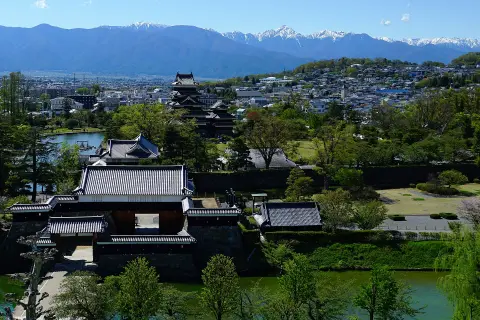
Matsumoto
Black castle and surrounding Alps hikes away from major tourist circuits
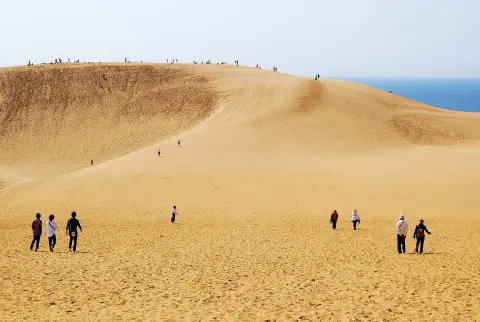
Tottori Sand Dunes
Unique desert landscape with camel rides and minimal visitors
7 days · Classic Tokyo & Kyoto
- Days 1-3TokyoExplore Shibuya, Asakusa, teamLab, day trip to Nikko or Hakone
- Days 4-7Kyoto & OsakaVisit temples (Fushimi Inari, Kinkaku-ji), Arashiyama bamboo, Osaka food and castle
14 days · Extended Highlights
- Days 1-4Tokyo areaCity sights plus Kamakura or Mt Fuji
- Days 5-8Kyoto & KansaiTemples, Nara deer park, Hiroshima Peace Park
- Days 9-14Kanazawa & Takayama or KyushuGardens, old town, onsen, or Fukuoka food and nature
Money
US$ per person per day, excluding flights. Currency: Japanese Yen (JPY). Cash: essential for small eateries, markets, temples, rural areas, and some taxis. Tipping: not expected or customary; service included.
Say it
| Hello | Konnichiwakohn-nee-chee-wah |
| Thank you | Arigatou gozaimasuah-ree-gah-toh goh-zai-mahs |
| Please | Onegaishimasuoh-neh-gai-shee-mahs |
| Excuse me / sorry | Sumimasensoo-mee-mah-sen |
| How much is it? | Ikura desu ka?ee-koo-rah dess kah |
Getting around
- Tokyo to Kyoto by Nozomi Shinkansen ~US$95 (about ¥14,000) one way, reserved seat
- Japan Rail Pass 7-day ordinary ~US$313-330 (¥50,000-53,000)
- Extensive metro, bus, tram; buy IC cards like Suica or Pasmo for tap-and-go
Mind your manners
- Bow slightly when greeting or thanking
- Remove shoes when entering homes, ryokan, some restaurants
- No eating or drinking while walking
- Be quiet on public transport; no phone calls
Plug in, stay safe
- Plugs A, B, 100 V
- Tap water safe to drink nationwide
- Emergency: 110 police, 119 ambulance
Pack
- Comfortable walking shoes
- Portable WiFi or eSIM
- IC card (Suica/Pasmo) or app